Krakow - PL
Associate member
Kraków – a historic icon of Poland and the capital of Lesser Poland – served for six centuries (until the end of the 16th century) as the seat of Polish rulers. It is the second largest city in the country in terms of both size and population, a cultural capital closely associated with the Latin tradition, history, and the arts. Home to 800,000 inhabitants, the university city –together with its surrounding towns, daily commuters, and the ever-present large number of tourists – functions as an agglomeration of over 1.5 million people. Its 23 institutions of higher education, more than 140 churches and places of worship, and numerous cultural institutions testify to the city’s exceptional intellectual and cultural stature.
Kraków’s Old Town was among the first group of monuments inscribed on the UNESCO World Heritage List. The city’s most significant historic landmarks include the Royal Castle on Wawel Hill with the Metropolitan Cathedral, and the architectural ensemble of the Main Market Square – with Poland’s most recognisable church, St Mary’s Basilica, the city’s parish church; the Cloth Hall; the Town Hall Tower; and the historic layout of 13th-century townhouses. Eleven basilicas, together with the preserved medieval defensive walls encircling the Planty Garden Ring, form an extraordinary cultural landscape. More than half of the city’s churches are historical monuments.
Kraków’s numerous monasteries (many of which also host festival concerts) possess centuries-old traditions. The oldest of all Polish monastic houses – the Benedictine Abbey in Tyniec – was founded in the first half of the 11th century, and it is only slightly older than the monasteries of the Cistercians, Franciscans, Dominicans, Paulines, Capuchins, Bernardines, and many others.
The city’s flagship educational institution is Jagiellonian University, the oldest university in Poland, founded in 1364. Its musical institution is the Krzysztof Penderecki Academy of Music, which developed from the Music Conservatory established in 1888. As part of the 1957 reform of Polish higher education, Kraków’s Academy created the first Department of Organ Studies in Poland, whose influence extended across the entire country.
Organ Festivals in Kraków:
-The International Festival Summer Organ Concerts (established 1992)
-The International Festival Zaduszki Organowe im. prof. Jana Jargonia / The Jan Jargoń All Souls Day Organ Festival (established 2004)
News
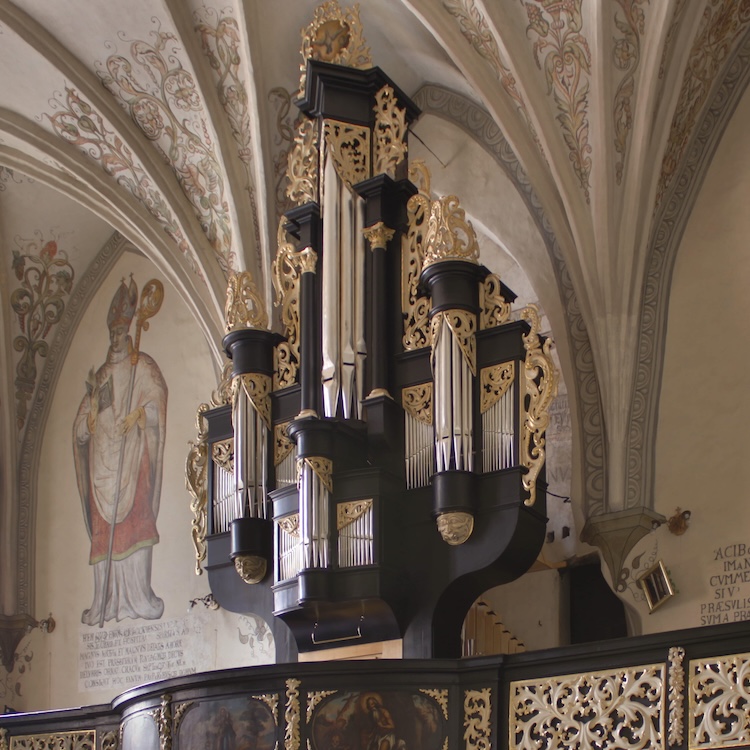
The Organs
Artistic Directors
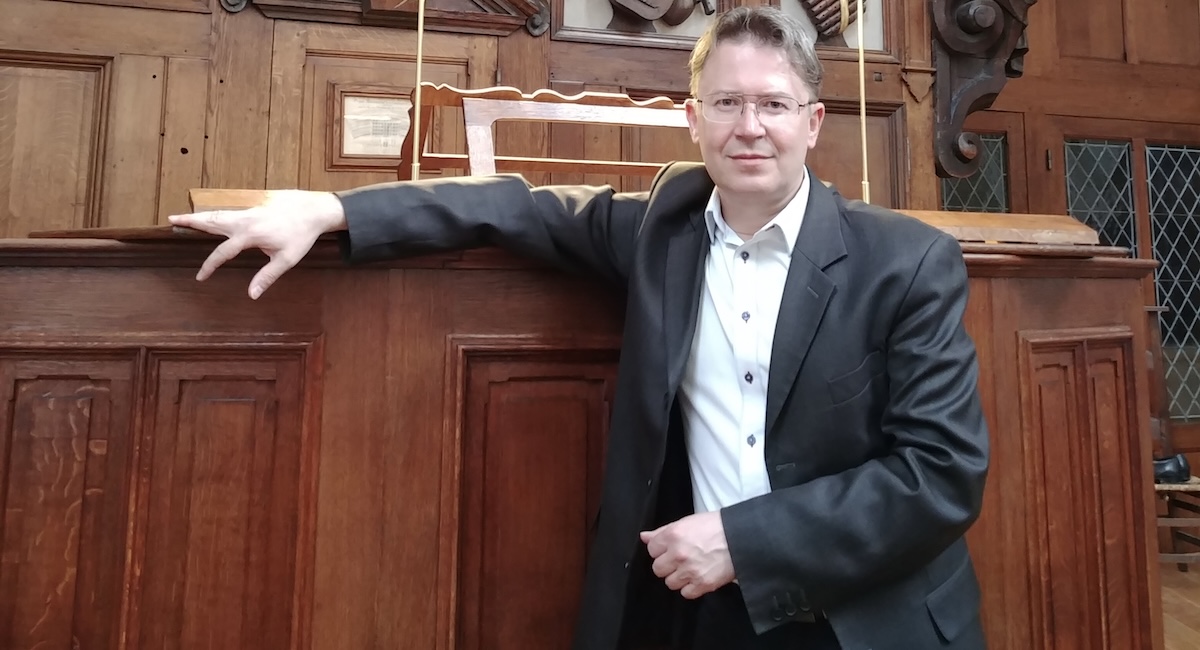
Dariusz Bąkowski-Kois
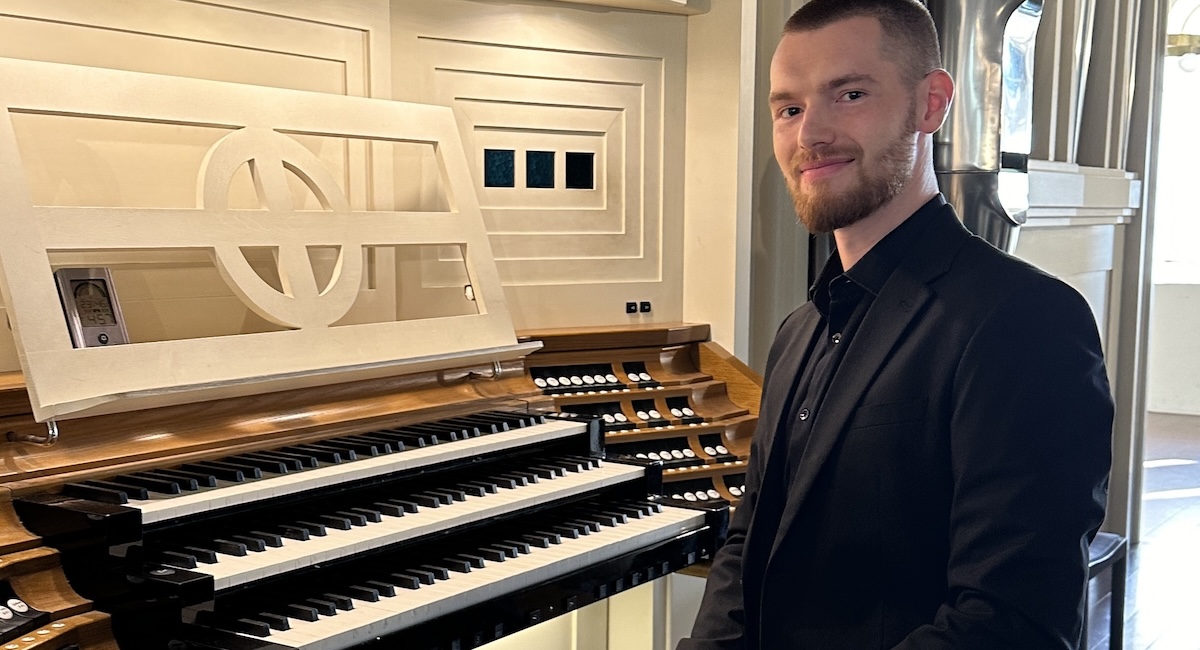
Marcin Kucharczyk
Multimedia library